The Philips LHH200R is one of those rare CD players that can easily be misunderstood. Officially introduced in 1994 as the entry-level model of the prestigious LHH Reference series, it appeared modest when compared with more expensive siblings such as the LHH800R and LHH900R. Yet beneath that position sat a machine built with remarkable seriousness.
This blog explores why the LHH200R deserves far more recognition. From its Philips CDM-9 swing-arm transport and DAC7 converter to its discrete Low-NFB analog stage and heavily constructed chassis, the LHH200R reveals how Philips and Marantz approached digital audio when musical performance mattered more than brochure numbers.
![Philips LHH200R]()
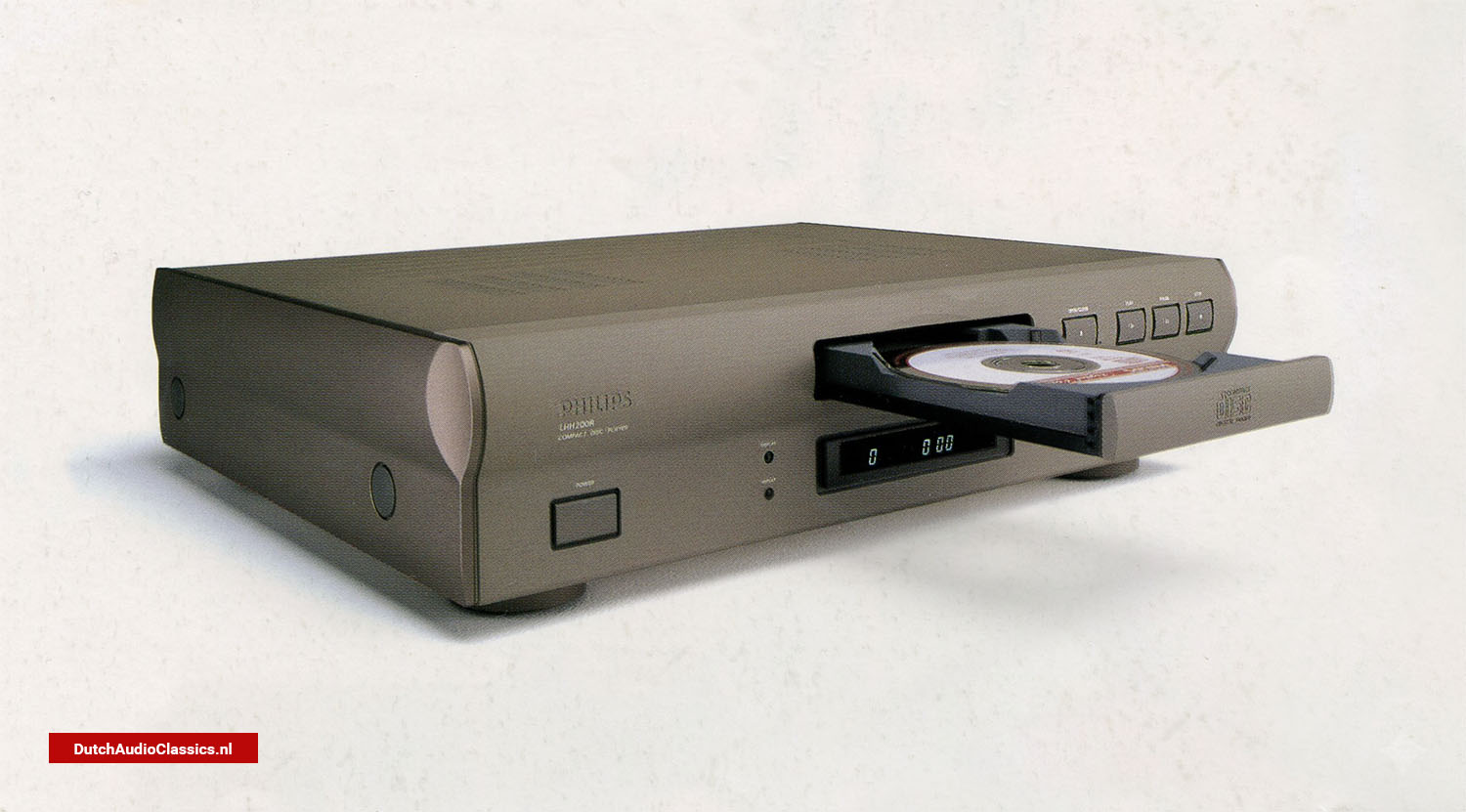
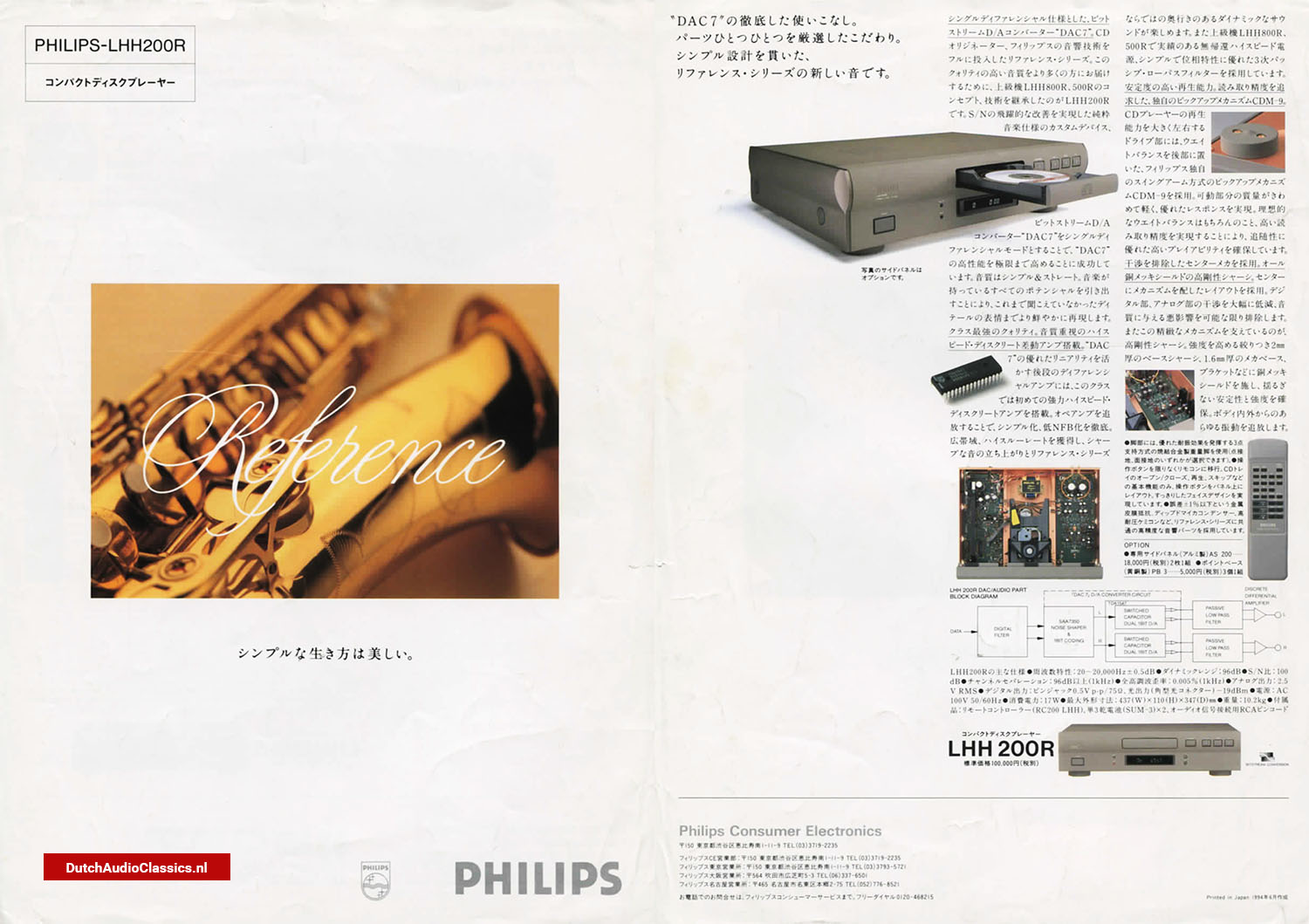
When Philips introduced the Philips LHH200R in 1994 for the Japanese market, it was presented as the basic model within the prestigious LHH Reference series. With a price of 100,000 Yen (roughly comparable to a €800+ player in today’s market positioning.), it sat well below models such as the Philips LHH800R and Philips LHH900R.
Yet that is only part of the story. The LHH200R was not a stripped-down budget player, but a deliberately minimalist design focused on simplicity, signal purity and musicality. While other brands tried to impress with specifications, Philips chose substance. That is exactly why the LHH200R became one of the most intriguing players in the entire series.
A different vision of high-end audio
In the early 1990s, the audio market was heavily influenced by the so-called specification war. Manufacturers competed with ever higher numbers for dynamic range, lower distortion and impressive brochure figures. Within the LHH series, Philips and its Japanese development team chose a different path.
With the LHH200R, the central idea was that simplicity is often stronger than complexity. Fewer components, shorter signal paths and carefully controlled mechanical construction were intended to create a more natural and musical result.
Developed in Sagamihara, Japan
Although the front panel carries the Philips name, the LHH200R was developed and built in the Marantz factory in Sagamihara, Japan. A team of specialists there worked on several legendary Philips and Marantz products.
Names associated with that team include Tetsu Suzuki, Hideki Kato and Toshio Yamakawa. Their combined approach brought Philips digital technology together with Japanese attention to tuning, construction quality and listening performance.
![Philips LHH200R magazines]()
The transport: Philips CDM-9
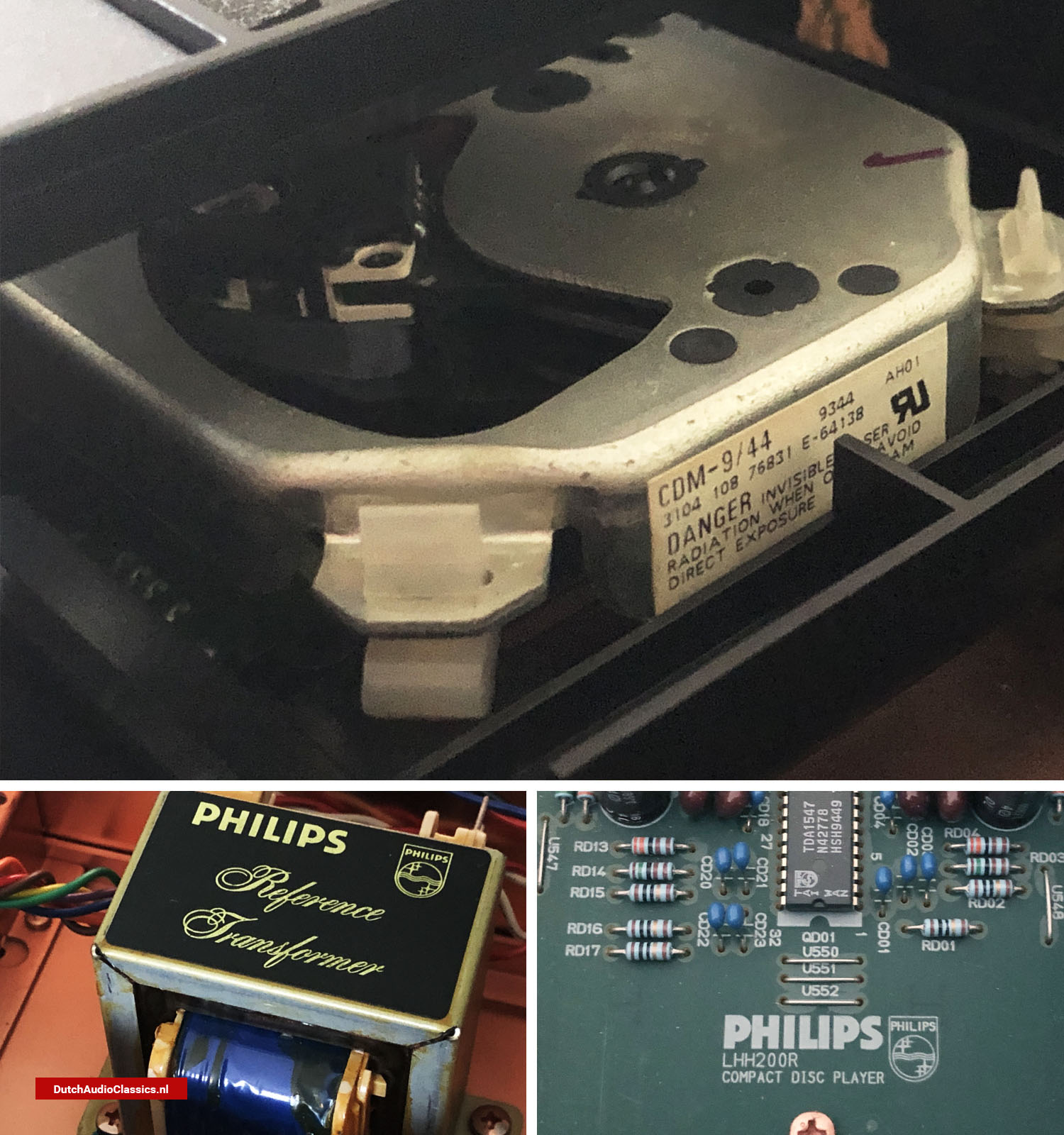
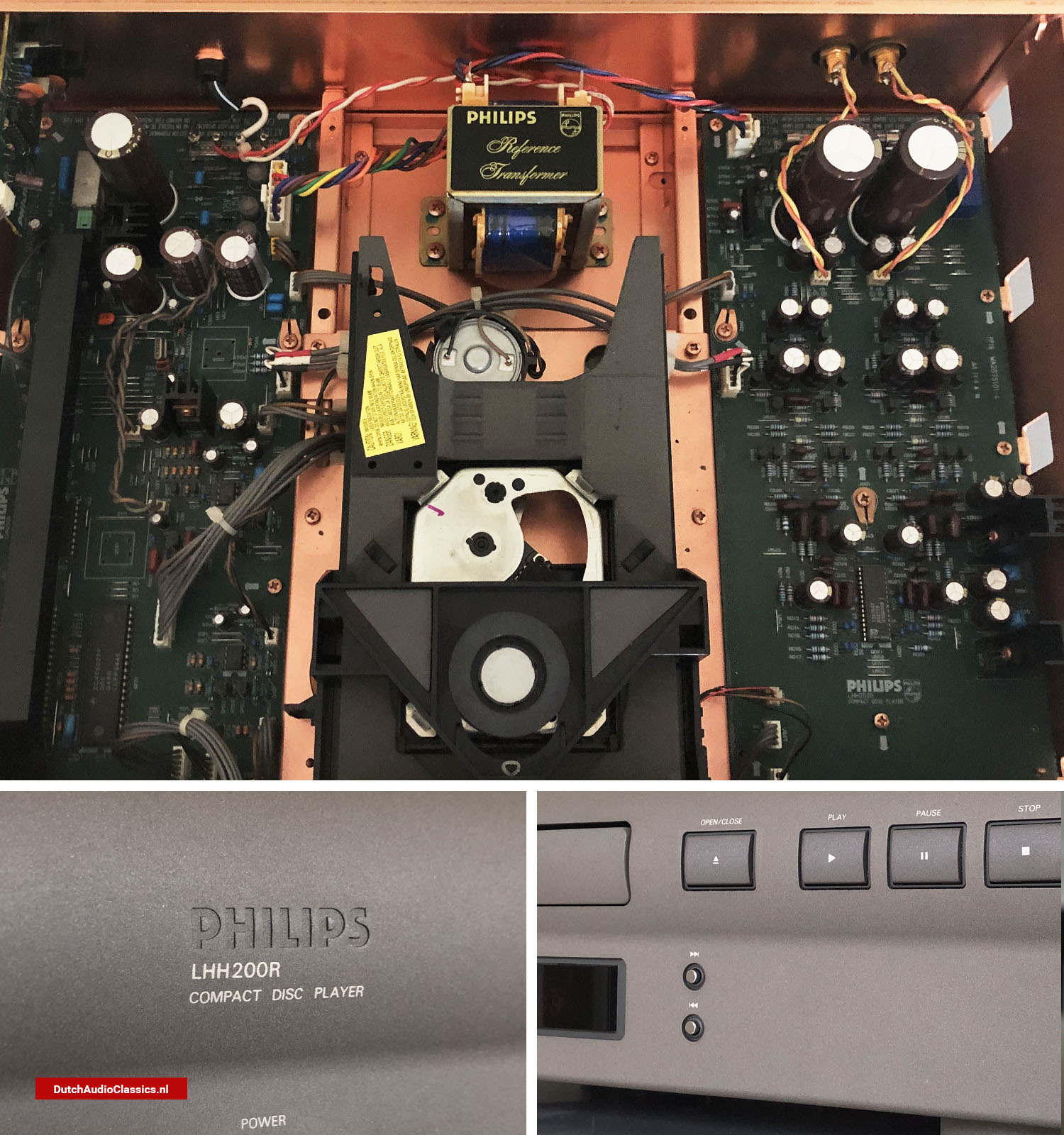
For disc transport duties, Philips selected the CDM-9 mechanism. This single-beam swing-arm transport is widely regarded as one of the last and most refined executions of Philips' famous swing-arm concept.
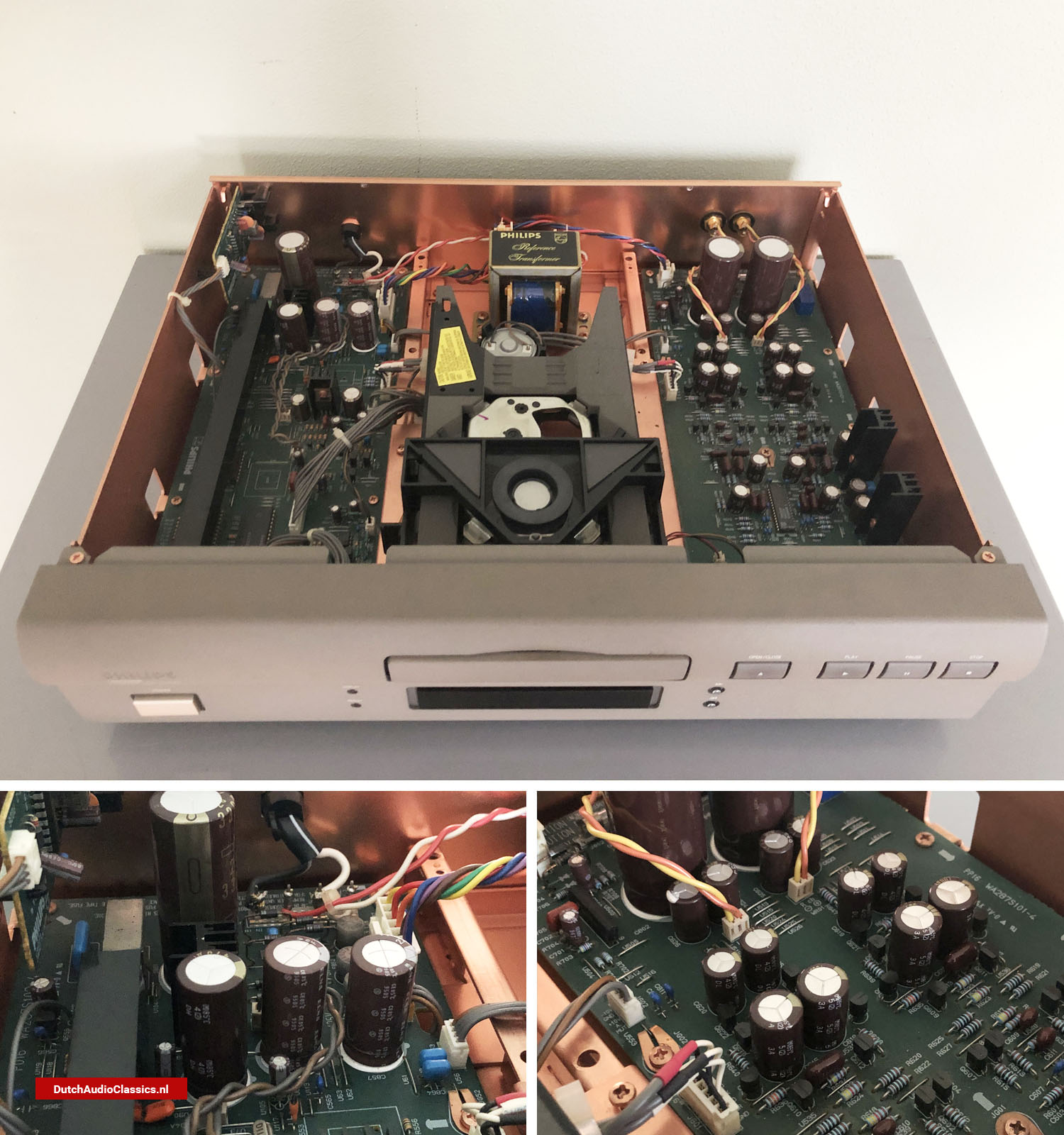
During the 1990s, the CDM-9 had a strong reputation. Known for its reliability, accurate tracking, fast response and strong reading performance, even with less than perfect discs. In the LHH200R, the mechanism was also mounted centrally in the chassis, improving weight distribution and creating a calmer mechanical foundation.
That combination of robustness and precision is exactly why the CDM-9 remains highly respected among enthusiasts of classic Philips players today.
![Philips LHH200R non-NFB]()
The converter: TDA1547 DAC7
For D/A conversion, Philips chose the well-known DAC7 architecture built around the Philips TDA1547. This 1-bit Bitstream converter was a flagship design within the Philips range during the 1990s, offering excellent measurements, high linearity and very low noise.
In the LHH200R, the TDA1547 was deliberately used in single differential mode. While more expensive models adopted more complex double differential configurations, the design here remained simpler and more direct. That matched the philosophy of this model perfectly: less complexity, shorter signal paths and maximum purity.
The full digital path consisted of a carefully assembled chain including the SAA7310 signal processor, SM5840 digital filter, SAA7350 noise shaper and finally the TDA1547 converter.
![Philips LHH200R CDM9 non-NFB]()
A discrete analog output stage without standard op-amps
One of the most remarkable aspects of the LHH200R is its analog section. Instead of common integrated op-amps, Philips chose a fully discrete differential amplifier stage.
That was unusual at this price level. By using individual transistors and a simplified circuit layout, negative feedback could be greatly reduced. Philips described this as a Low-NFB approach.
According to the design philosophy, this prevented feedback loops from reintroducing unwanted high-frequency digital noise into the analog circuit. The intended result was faster, cleaner and more natural sound.
![Philips LHH200R TDA1547]()
Non-NFB power supply and speed
The power supply also received serious attention. The player featured a fast non-feedback power supply intended to keep high-frequency impedance low and control disturbances more effectively.
In conventional power supplies, feedback is often used to correct voltage deviations. Philips chose an approach with as little feedback as possible, allowing the supply to respond faster and more directly to sudden current demands from the audio signal. According to this philosophy, that resulted in greater calmness, better timing and less influence from high-frequency contamination.
Within the LHH Reference series, the power supply was not seen as a supporting part, but as an active foundation for timing, stability and dynamics. That thinking is clearly visible in the LHH200R.
A chassis more serious than the price suggests
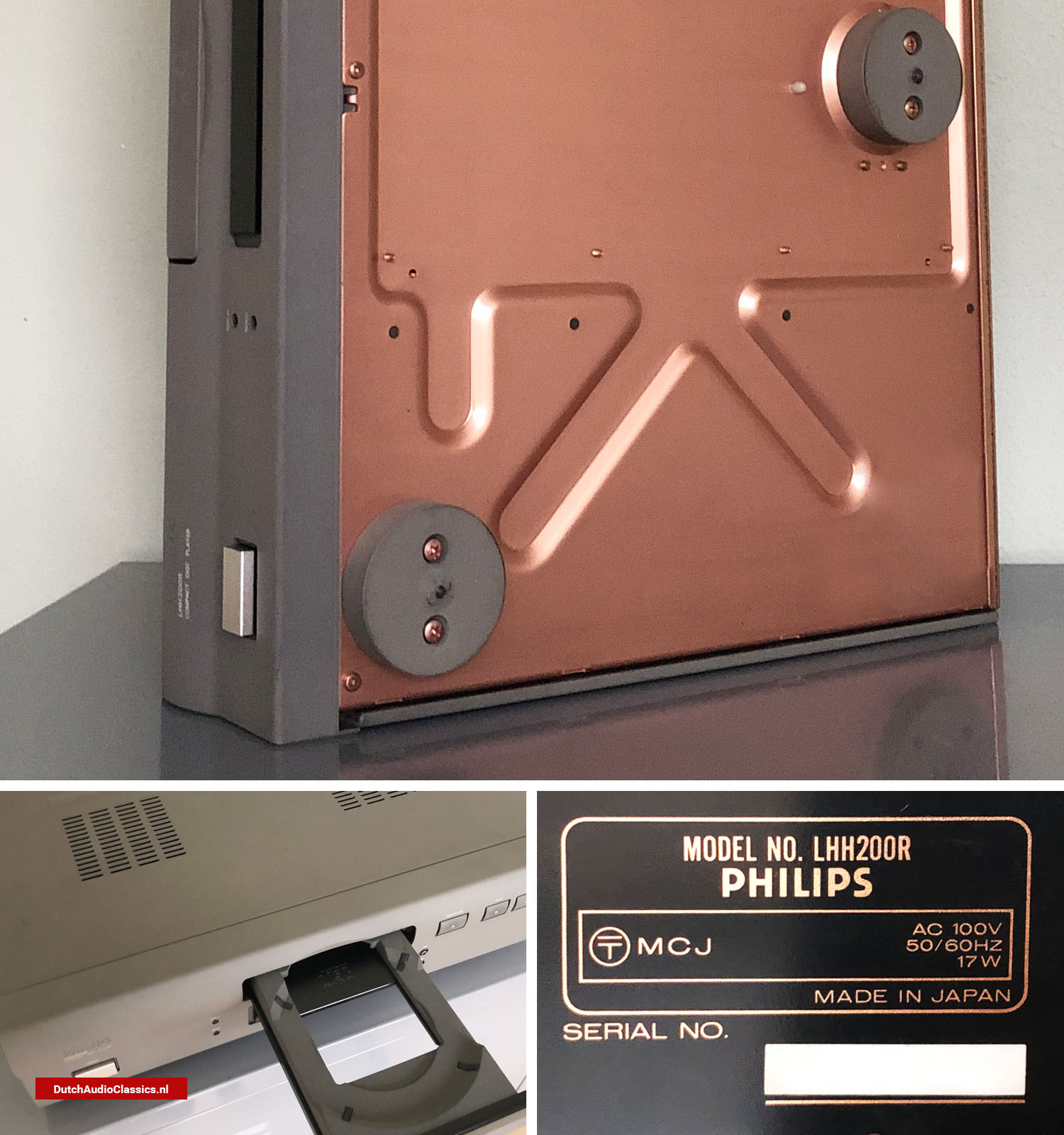
Mechanical quality was an important part of the design. The LHH200R received a 2 mm thick steel base plate with copper plating. Internal parts and mounting brackets were copper plated as well.
With a total weight of around 10.2 kg, this was unusually substantial for a player in this price class. Not as a luxury statement, but to reduce resonance, vibration and interference.
The player rests on three heavy sintered alloy feet. This three-point support system ensures stable contact with the surface and prevents wobble. Even the placement of the transformer and transport was tuned to that weight distribution.
![Philips LHH200R reference series]()
How did the LHH200R sound according to the Japanese press?
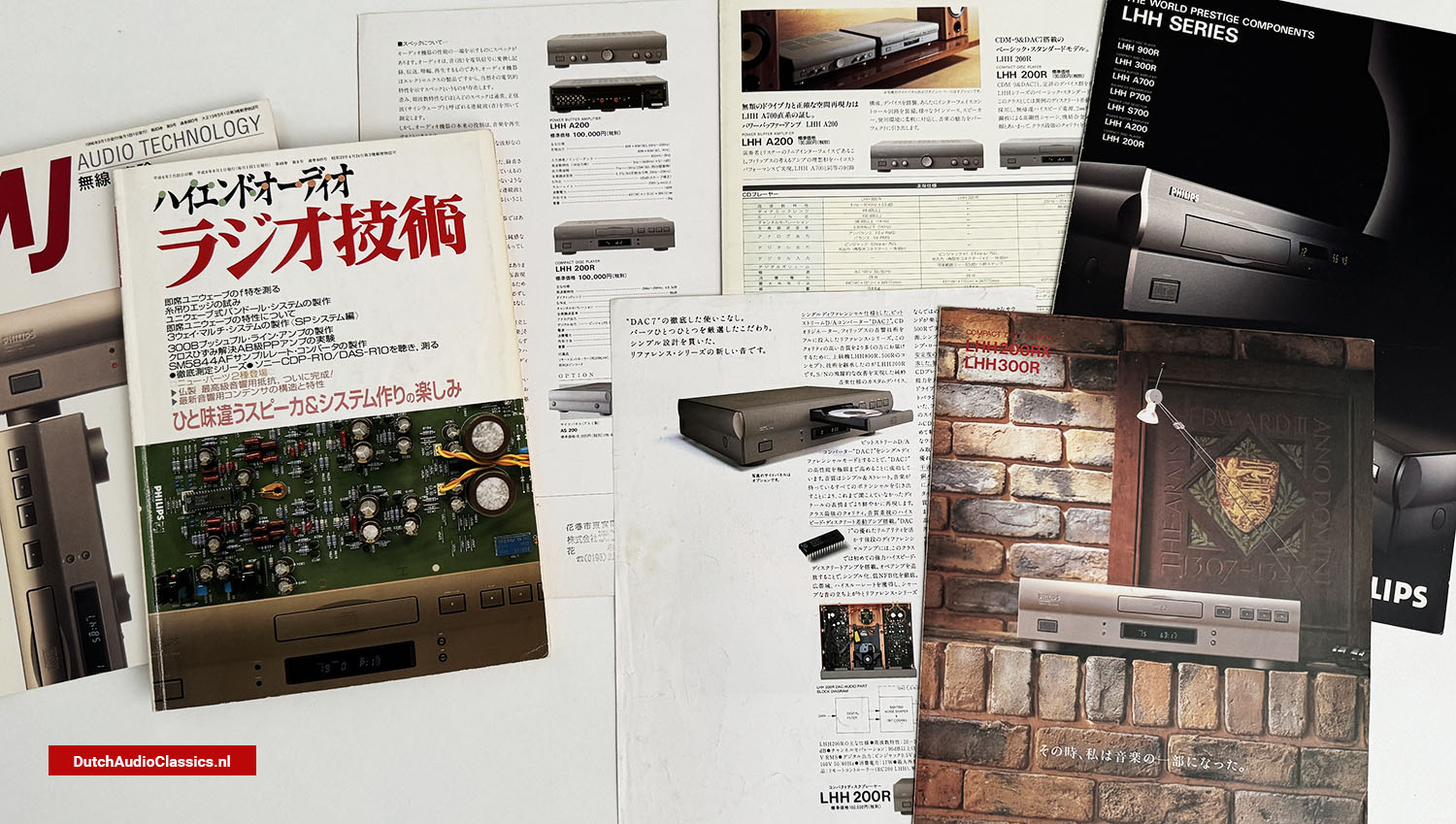
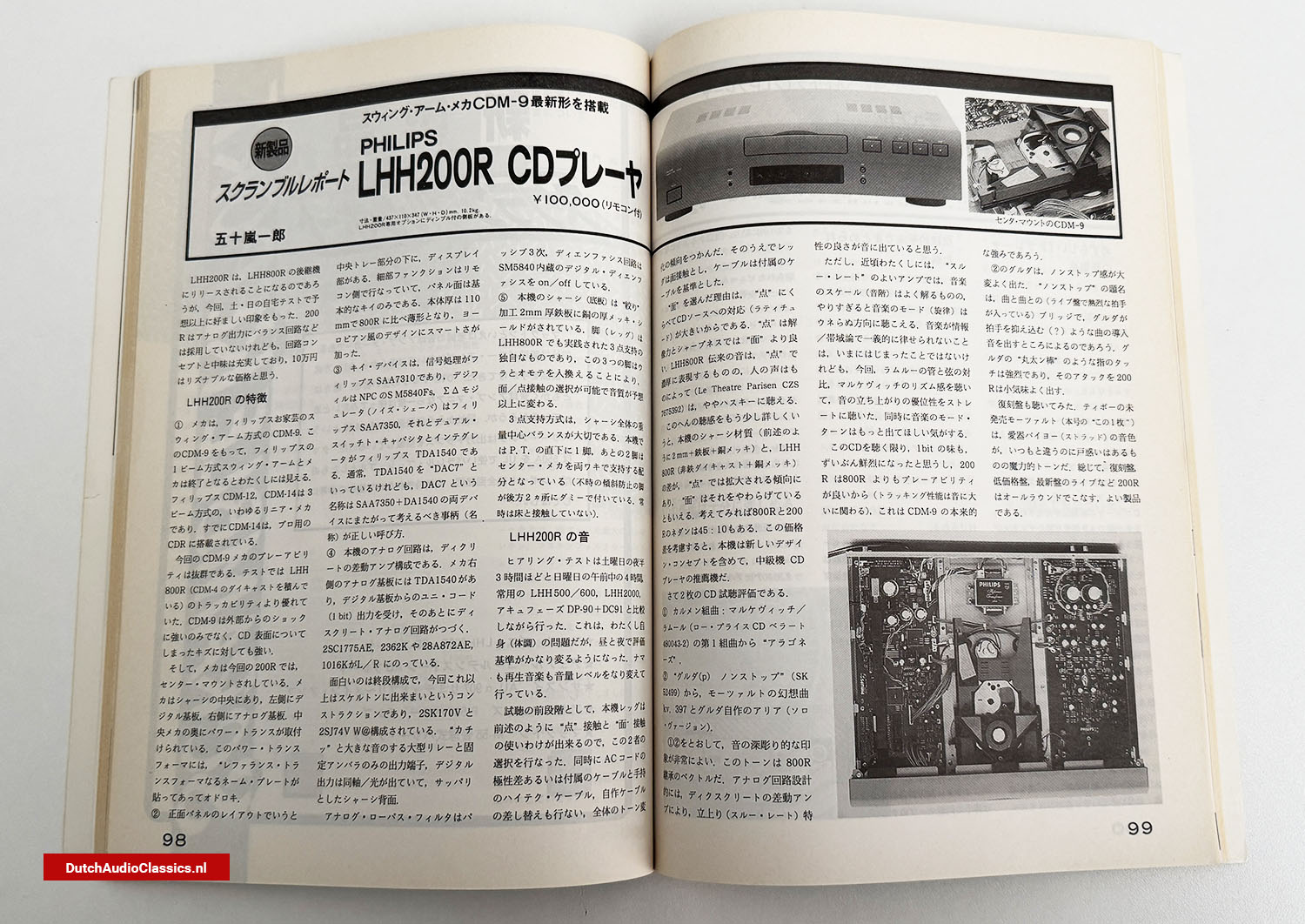
In an extensive 1994 review, critic Ichiro Igarashi described the player in notably positive terms. He called the LHH200R an excellent all-round product with performance that did not match its modest price level.
He praised its deep and solid sound, fast attack on instruments and lively presentation. At the same time, the player reportedly remained musical and fluid. With orchestral music, piano and violin recordings, the LHH200R was said to perform convincingly.
What makes this especially interesting is that he compared it with far more expensive combinations and other reference models, without the LHH200R sounding out of place.
Review of the Philips LHH200R (100,000 Yen)
By Ichiro Igarashi (1994)
When I first received the Philips LHH200R for a weekend home test, I expected a competent but modest player. After all, it was positioned below the flagship LHH800R. However, after several hours of listening, my impression became far more positive than expected.
Although the LHH200R does not use balanced analog outputs, its internal design is serious and thoughtfully executed. Considering the quality of construction and performance, I believe the asking price of 100,000 Yen is very reasonable.
Design and Construction
The transport mechanism is Philips’ well-known CDM-9 swing-arm drive. This appears to be one of the final developments of Philips’ classic single-beam swing-arm system, and it leaves a strong impression.
Its reading ability is excellent. During testing, the CDM-9 in the LHH200R showed better tracking performance than the CDM-4 transport used in the more expensive LHH800R. It also handled scratched discs with impressive stability.
The mechanism is mounted in the center of the chassis, creating a balanced internal layout. The digital board is placed to the left, the analog board to the right, while the power transformer sits deeper behind the mechanism. It is a neat and intelligent arrangement.
The front panel is clean and elegant. Only basic controls are placed on the unit itself, while advanced functions are handled by the remote control. With its lower 110 mm height, the LHH200R looks slimmer and more refined than the LHH800R, giving it a smart European character.
Internal Circuitry
The digital section uses high-quality components throughout. Signal processing is handled by the Philips SAA7310, followed by the NPC SM5840 digital filter. Noise shaping is performed by the Philips SAA7350, while final conversion is done by the Philips TDA1547 DAC.
The analog stage is particularly interesting. Instead of common integrated op-amps, Philips chose a fully discrete differential amplifier using carefully selected transistors. This gives the player a more serious design than its price might suggest.
The chassis also deserves praise. The heavy 2 mm steel bottom plate is copper plated for shielding, and the player uses a unique three-point foot system similar to the LHH800R. By reversing the feet, the user can choose either point contact or surface contact. Surprisingly, this changes the sound more than expected.
Listening Impressions
My listening sessions lasted around seven hours over the weekend, comparing the LHH200R with Philips models such as the LHH500, LHH600 and LHH2000, as well as the Accuphase DP-90/DC-91 combination.
Before serious listening, I tested both foot settings and eventually preferred the surface contact mode. Point contact gave sharper focus and more resolution, but surface contact offered greater flexibility across different CDs.
Using recordings such as Carmen Suite conducted by Markevitch and Gulda’s piano performances, the first impression was the depth and solidity of the sound. This tonal character clearly follows the direction of the LHH800R.
The discrete analog stage seems to contribute excellent speed and rise-time characteristics. Instrument attacks are clean and immediate, yet never artificial. Wind instruments and strings sounded lively and direct, while the musical flow remained natural.
On Gulda’s recordings, the sense of continuous momentum came through strongly. His forceful keyboard touch was reproduced with energy and realism.
I also listened to reissue discs, including rare Mozart recordings by Jacques Thibaud. The sound of his Stradivarius violin had an unusual but captivating tone, almost magical in character.
Final Verdict
Whether playing reissues, inexpensive discs or modern live recordings, the Philips LHH200R handled everything with confidence and balance.
It is an all-round excellent CD player, and one that performs beyond what its price would suggest.
Position within the LHH range
Within the series, the LHH200R sat below the Philips LHH300R, which offered additional features such as digital inputs and balanced outputs. Above them were the much more expensive LHH800R and LHH900R with even more extreme construction and more complex circuitry.
Later, the LHH200RX appeared, taking the Non-NFB philosophy even further.
Still, the LHH200R holds its own place in the lineup. It may represent the purest idea behind the series: not built to impress through excess, but built with exactly enough substance to reproduce music convincingly.
![Philips LHH200R brochure]()
Conclusion
The Philips LHH200R is often seen as the entry-level model of the LHH Reference series. That is true on the price list, but technically this machine tells a different story.
With its CDM-9 transport, DAC7 architecture, discrete Low-NFB output stage, heavy copper-plated chassis and surprisingly serious power supply, the player offers qualities normally found higher in the market.
More than anything, the LHH200R represents a period in which Philips and Marantz followed their own path. Less focused on marketing numbers, more focused on audible results. That is exactly what makes this model so interesting today.
Looking back, the Philips LHH200R represents more than a well-made CD player. It reflects a moment when engineers still had room to challenge market trends and choose substance over spectacle. Instead of chasing complexity for its own sake, they refined the essentials.
That may be why the LHH200R still feels relevant today. In an era where specifications often dominate the conversation, it reminds us that thoughtful design, mechanical integrity and careful circuit choices can leave a longer legacy than headline figures ever could.